
Signs of Hail Damage on Roof Homeowners Should Know
Learn the early signs of hail damage on roof surfaces and when to schedule professional hail damage roof repair services.
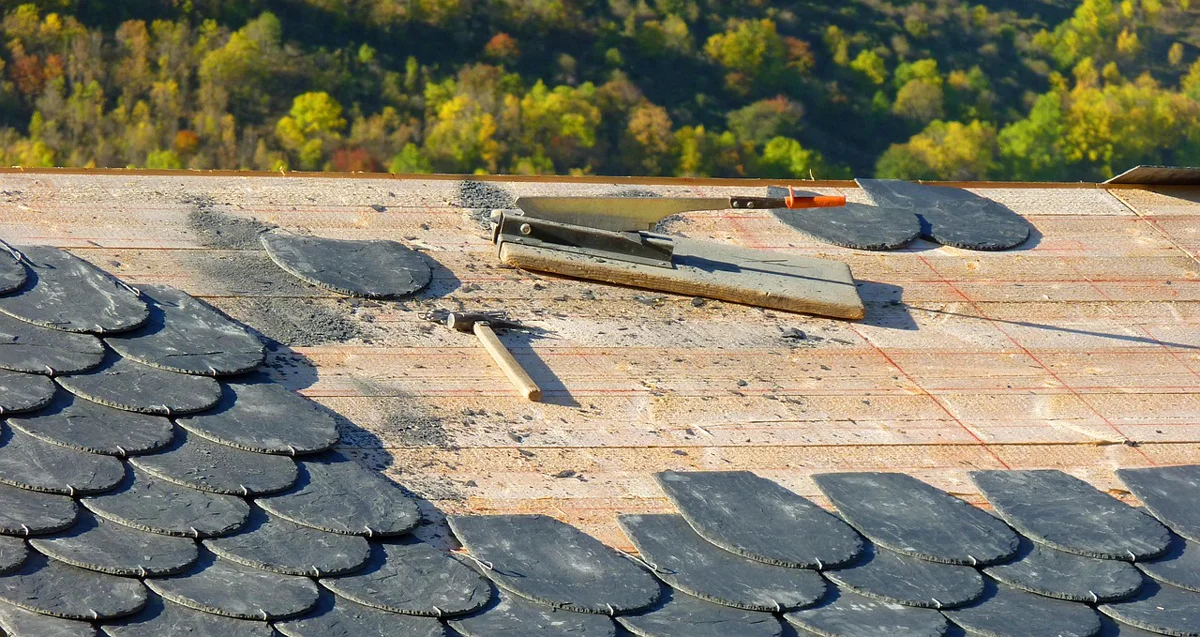
Hailstorms can cause serious roofing problems long before water starts dripping into your home. Knowing how to spot hail damage on roof areas early can help you avoid expensive repairs, structural issues, and interior water damage. In places like North Dakota, where severe storms, high winds, and temperature swings are common, even minor hail impacts can weaken roofing materials over time.
Many homeowners assume that if they don't see leaks, their roof is fine. Unfortunately, that's not always true. Hail can damage shingles, flashing, gutters, and roof vents without creating immediate visible problems. Learning the early warning signs can help you take action before a small issue turns into a major roofing emergency.
Why Hail Damage on Roof Should Never Be Ignored
Even small hailstones can compromise your roofing system. The damage may seem cosmetic at first, but repeated exposure to rain, snow, UV rays, and freeze-thaw cycles can worsen the condition quickly.
Common problems caused by hail damage on roof surfaces include:
If left untreated, what starts as minor storm damage can eventually require a full hail damage roof replacement instead of a smaller repair.
What Does Hail Damage Look Like on a Roof?
One of the most important parts of learning how to spot hail damage on roof systems is understanding what visible damage actually looks like.
1. Bruised or Soft Shingles
Hail impacts often leave soft spots or bruises on asphalt shingles. These areas may feel spongy when touched and can weaken the protective surface of the shingle.
Signs include:
Bruising may not immediately leak, but it significantly reduces the roof's durability.
2. Granule Loss
Asphalt shingles are coated with protective granules that help shield the roof from UV rays and harsh weather. Hail can knock these granules loose.
You may notice:
Granule loss is one of the most common signs of hail roof damage homeowners overlook.
3. Cracked or Split Shingles
Larger hailstones can crack or split shingles entirely. Once the protective barrier is compromised, moisture can begin penetrating the roofing system.
Check for:
Cracked shingles often require immediate hail damage roof repair to prevent water intrusion.
How To Inspect Your Roof After a Hailstorm
Safety should always come first. If you suspect hail damage, avoid climbing onto the roof unless you have proper experience and equipment.
Here are safer ways to inspect for damage:
Check the Ground First
Walk around your property and inspect:
If these areas show dents or impact marks, your roof may also have suffered damage.
Look for Roof Debris
After a storm, look for:
These are often early indicators of roofing problems.
Use Binoculars
A pair of binoculars can help you inspect your roof safely from the ground.
Look for:
Signs of Hail Roof Damage Inside Your Home
Sometimes the earliest clues appear indoors instead of outside.
Watch for:
These signs may indicate the roof has already begun allowing moisture inside. If you spot any of them, it's time to consider emergency roof repair before the next rain makes things worse.
Areas of the Roof Most Vulnerable to Hail Damage
Not all roof sections experience equal storm impact. Some areas are more likely to suffer damage than others.
Roof Valleys
Valleys channel large amounts of water and often receive concentrated hail impact.
Roof Edges
Strong winds can push hail against exposed roof edges, increasing damage.
Flashing and Metal Components
Metal flashing, vents, skylights, and chimney caps can dent easily during hailstorms.
Older Roofing Materials
Older roofs are generally more vulnerable because shingles become brittle over time.
If your roof is nearing the end of its lifespan, even moderate hail may justify a hail damage roof replacement.
How Big Does Hail Need To Be To Damage a Roof?
Even smaller hailstones can cause damage depending on:
As a general guideline:
In North Dakota, powerful storms combined with high winds can intensify the impact significantly. You can review historical storm activity for your area through the NOAA Storm Prediction Center before filing any claim.
Roof Materials and Hail Resistance
Some roofing materials handle hail better than others.
Asphalt Shingles
Most common but vulnerable to bruising and granule loss.
Metal Roofing
Metal roofing is more durable but may dent during severe storms.
Impact-Resistant Shingles
Designed specifically for storm-prone regions, impact-resistant shingles tested under standards published by the Insurance Institute for Business & Home Safety can significantly reduce hail damage risks.
If your area experiences frequent hailstorms, upgrading materials during a hail damage roof replacement may be a smart long-term investment. Our guide on choosing the best roofing materials for North Dakota's climate explains the trade-offs in more detail.
When To Call a Professional Roofing Contractor
It can be difficult for homeowners to identify hidden storm damage accurately. Professional roof inspections are often the best way to determine the true condition of your roof.
A roofing expert can:
Many homeowners delay inspections because the roof appears fine from the ground. Unfortunately, hidden damage often worsens over time.
Hail Damage Roof Repair vs Replacement
Not every roof needs complete replacement after a storm. The solution depends on the severity and extent of the damage.
Repair May Be Enough If:
Replacement May Be Necessary If:
A qualified contractor can help determine whether hail damage roof repair or full replacement is the better option. For a step-by-step look at what to do in the hours right after a storm, see our storm damage roof repair guide for ND homeowners.
How Insurance Handles Hail Damage Claims
Most homeowners insurance policies cover storm-related roof damage, including hail.
To improve your claim process:
Waiting too long can sometimes complicate claims or allow damage to worsen. Our walkthrough on filing a roof insurance claim for hail damage covers the paperwork pitfalls most homeowners run into.
Preventing Future Roof Damage
While no roof is completely hail-proof, homeowners can reduce risks with proactive maintenance.
Helpful prevention tips include:
Routine maintenance can help extend roof life and reduce storm-related repair costs.
Why North Dakota Homeowners Need Specialized Storm Damage Experts
North Dakota weather can be especially harsh on roofing systems. Extreme temperature changes, snow accumulation, high winds, and severe hailstorms all contribute to accelerated roof wear.
That's why it's important to work with contractors who understand local climate challenges and storm damage patterns.
B&C Northern Construction provides expert storm and hail damage roofing services tailored to the demanding weather conditions of North Dakota. Our team understands how extreme temperature swings and high winds affect roofing materials and can help homeowners identify damage before leaks and costly structural issues develop.
Whether you need a professional inspection, emergency repair, or full roof replacement, our experienced local crew can help protect your home year-round. **Don't wait for the next storm — request your free hail damage inspection from B&C Northern Construction today and get a no-obligation quote from a contractor who knows the Bakken region.**
Frequently Asked Questions
How do I know if my roof has hail damage?
Common signs of hail roof damage include bruised shingles, granule loss, dents, cracked shingles, and water stains inside the home.
Can hail damage cause leaks later?
Yes. Even if leaks do not appear immediately, hail can weaken roofing materials and eventually allow water penetration over time.
Should I replace my roof after hail damage?
Not always. Minor damage may only require repairs, while severe or widespread damage may require a full hail damage roof replacement.
Does insurance cover hail damage roof repair?
Most homeowners insurance policies cover storm-related roof damage, but coverage depends on your specific policy and the extent of the damage.
How soon should I inspect my roof after a hailstorm?
You should inspect your property as soon as it is safe after the storm and schedule a professional roofing inspection promptly to identify hidden issues early.
Related Services
Learn more about the professional services discussed in this article.
Frequently Asked Questions
Q. What does hail damage on a roof look like?
Look for dark bruised spots where granules are knocked off, dents on soft metals like gutters, vents, and flashing, and cracked or shattered shingles. Hail hits are usually random in pattern, unlike the straight lines of normal wear.
Q. Can I have hail damage without an obvious leak?
Yes. Hail often strips the protective granules and bruises shingles without causing an immediate leak, which shortens the roof's life and can void coverage if left unaddressed. That's why a professional inspection after a hailstorm is important.
Q. How soon should I check for hail damage after a storm?
Inspect within a few days while the storm date is fresh for your insurance claim. Catching damage early protects your filing deadline and lets you tarp or repair before the next storm worsens the problem.