How Long Does a Roof Last in North Dakota?
Roof lifespans on the box rarely survive North Dakota's climate. Here is how long each roofing material really lasts here—and how to get the most from yours.
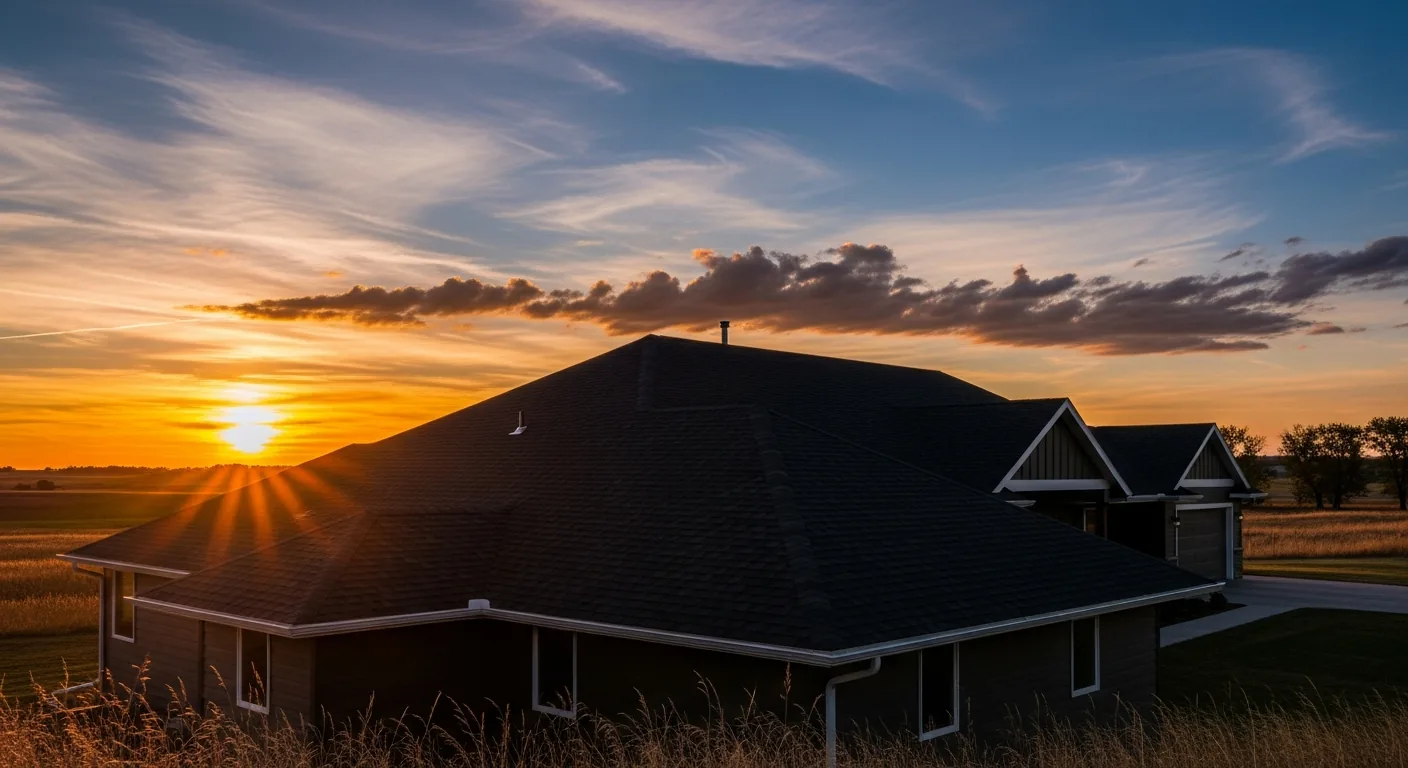
Few home questions are as practical—or as frequently misunderstood—as how long a roof actually lasts. Manufacturer warranties promise impressive numbers, but those figures are based on average conditions, not the punishing reality of a western North Dakota winter. Between hail, sustained wind, deep snow loads, intense UV at our northern latitude, and the relentless freeze-thaw cycle, roofs here work harder than almost anywhere in the country. Understanding the real-world lifespan of each roofing material helps you budget, plan, and avoid the costly surprise of a roof that fails sooner than you expected.
Why Roofs Wear Out Faster in North Dakota
Before looking at specific materials, it helps to understand what our climate does to a roof. The single most damaging factor is the freeze-thaw cycle. Snow melts during a brief warm spell, then refreezes as temperatures plunge—a cycle that can repeat dozens of times each winter. Water that works into shingles or seams expands when it freezes, slowly prying materials apart. Layered on top of that are hail impacts that knock protective granules loose, sustained winds that lift and stress fasteners, heavy snow loads that strain the structure, and the strong summer UV that bakes and dries out asphalt. The combined effect is that the effective lifespan of nearly every roofing material in North Dakota falls short of its rated warranty length.
Asphalt Shingle Lifespan
Asphalt shingles are the most common roofing material in the Williston area, and their lifespan varies widely by grade.
Three-Tab Shingles
Basic three-tab shingles are the thinnest and least expensive option, and they simply do not hold up in our climate. Even though they may be rated for twenty to twenty-five years, North Dakota weather typically reduces their effective life to twelve to fifteen years or less. For our region, they are rarely worth the savings.
Architectural Shingles
Architectural, or dimensional, shingles are thicker, heavier, and far more durable. While manufacturer ratings often claim thirty years or more, the realistic lifespan in North Dakota is closer to fifteen to twenty-five years depending on quality, installation, and exposure. A Class 4 impact-resistant architectural shingle—which we strongly recommend here—sits at the upper end of that range and provides meaningful hail protection along with potential insurance discounts.
The biggest variable with asphalt is installation quality and ventilation. A premium shingle installed over a poorly ventilated attic will fail early to ice dams and heat, while a well-installed, well-ventilated roof reaches the top of its expected range. This is why attic airflow matters so much—see our guide on attic ventilation and ice dam prevention.
Metal Roofing Lifespan
Metal roofing is the longevity champion of North Dakota roofing materials. A properly installed standing seam metal roof can last fifty to seventy years—two to three times longer than asphalt. Metal panels are non-porous, so the freeze-thaw cycle that degrades asphalt has virtually no effect on them. Their smooth surface sheds snow before it can melt and refreeze, which dramatically reduces ice dam formation, and quality PVDF paint finishes resist fading and UV degradation for decades.
The trade-offs are a higher upfront cost and the cosmetic possibility of denting from very large hail, though dents rarely affect performance. For homeowners who plan to stay in their home long-term, the extended lifespan often makes metal the lowest cost per year of service. Our detailed metal roofing vs asphalt shingles comparison breaks down the decision in full.
Flat and Low-Slope Roof Lifespan
Flat and low-slope roofing systems, common on commercial buildings and some modern homes, have their own lifespans. EPDM rubber membranes typically last twenty to thirty years in our climate, TPO membranes roughly twenty to thirty years depending on thickness and installation, and modified bitumen systems around twenty years. The enemy of flat roofs is ponding water, which accelerates membrane breakdown, so proper slope, drainage, and routine maintenance have an outsized effect on how long these systems survive North Dakota winters.
What Shortens a Roof's Lifespan
Two roofs of identical material can have dramatically different lifespans depending on a handful of factors. Poor attic ventilation is the most common culprit, allowing heat and moisture to build up, cook the shingles from below, and create the ice dams that destroy the roof edge. Improper installation—under-nailing, missing ice-and-water shield, poor flashing—causes early failures regardless of material quality. Deferred maintenance lets small problems like a cracked pipe boot or lifted shingle grow into major leaks. And unrepaired storm damage, especially hail bruising that goes unaddressed, quietly shortens the roof's remaining life. The good news is that every one of these factors is within a homeowner's control.
How to Extend Your Roof's Lifespan
Getting the full life out of your roof comes down to a few consistent habits. Schedule regular professional roof inspections, ideally each fall before winter and each spring after the thaw, so small issues are caught before they spread. Address storm damage promptly rather than waiting for a leak to appear. Keep gutters clear so water drains away from the roof edge and foundation. Most importantly, maintain balanced attic ventilation and adequate insulation, which protect the roof deck from the heat and moisture that cause premature aging. Following our winter roof maintenance and spring roof checklist routines each year is the simplest way to maximize the return on your roofing investment.
When It's Time to Replace
No roof lasts forever, and recognizing the end of a roof's life early saves money. Widespread curling, cracking, or missing shingles, heavy granule loss, recurring leaks, daylight visible in the attic, or a roof simply reaching the upper end of its expected age all signal that replacement is approaching. Our guide to the signs you need a new roof covers the warning signs in detail. When the time comes, planning the project around favorable conditions—as described in our guide to the best time of year to replace your roof—helps ensure a strong, long-lasting installation.
Frequently Asked Questions
How long does an asphalt shingle roof last in North Dakota?
Architectural asphalt shingles realistically last fifteen to twenty-five years in our climate, while cheaper three-tab shingles often last only twelve to fifteen years. Installation quality and attic ventilation strongly influence where a roof falls in that range.
Is a metal roof worth it for the longer lifespan?
For homeowners staying in their home long-term, often yes. A metal roof can last fifty to seventy years and shrugs off the freeze-thaw cycling that wears out asphalt, frequently giving it the lowest cost per year of service despite a higher upfront price.
Does a new roof increase my home's value?
Yes. A newer roof is a strong selling point in North Dakota, where buyers are keenly aware of weather damage. Both asphalt and metal add value, with a recent metal roof being especially attractive because buyers know it will not need replacing for decades.
How often should I have my roof inspected?
Twice a year is ideal in North Dakota—once in fall to prepare for winter and once in spring to assess any winter damage. You should also schedule an inspection after any major hail or wind storm.
Get an Honest Assessment of Your Roof
How long your roof lasts in North Dakota depends on the material, the quality of the installation, and how well it is ventilated and maintained. Architectural asphalt typically delivers fifteen to twenty-five years, while metal can protect your home for half a century or more. The best way to know how much life your current roof has left—and how to extend it—is a professional evaluation. B&C Northern Construction provides thorough, honest roof inspections throughout western North Dakota, with clear recommendations and no pressure. Contact us to schedule yours and find out exactly where your roof stands.
Related Services
Learn more about the professional services discussed in this article.
Frequently Asked Questions
Q. How long does a roof last in North Dakota?
Architectural asphalt shingles typically last 20–30 years here, while standing-seam metal can last 50 years or more. Our extreme cold, wind, hail, and freeze-thaw cycles shorten lifespans, so quality materials and installation make a real difference.
Q. What shortens a roof's lifespan in our climate?
Hail and wind damage, ice dams, poor attic ventilation, and trapped moisture are the biggest culprits. Skipped maintenance and low-grade 3-tab shingles also fail far sooner than impact-rated products in North Dakota conditions.
Q. How can I make my roof last longer?
Choose impact-rated materials, ensure balanced attic ventilation and insulation, keep gutters clear, and get periodic inspections to catch small issues early. Addressing storm damage promptly is the single best way to protect your roof's lifespan.