
Best Time of Year to Replace Your Roof in North Dakota
Timing your roof replacement around North Dakota's seasons can mean better pricing, faster scheduling, and a stronger installation. Here is how to plan it.
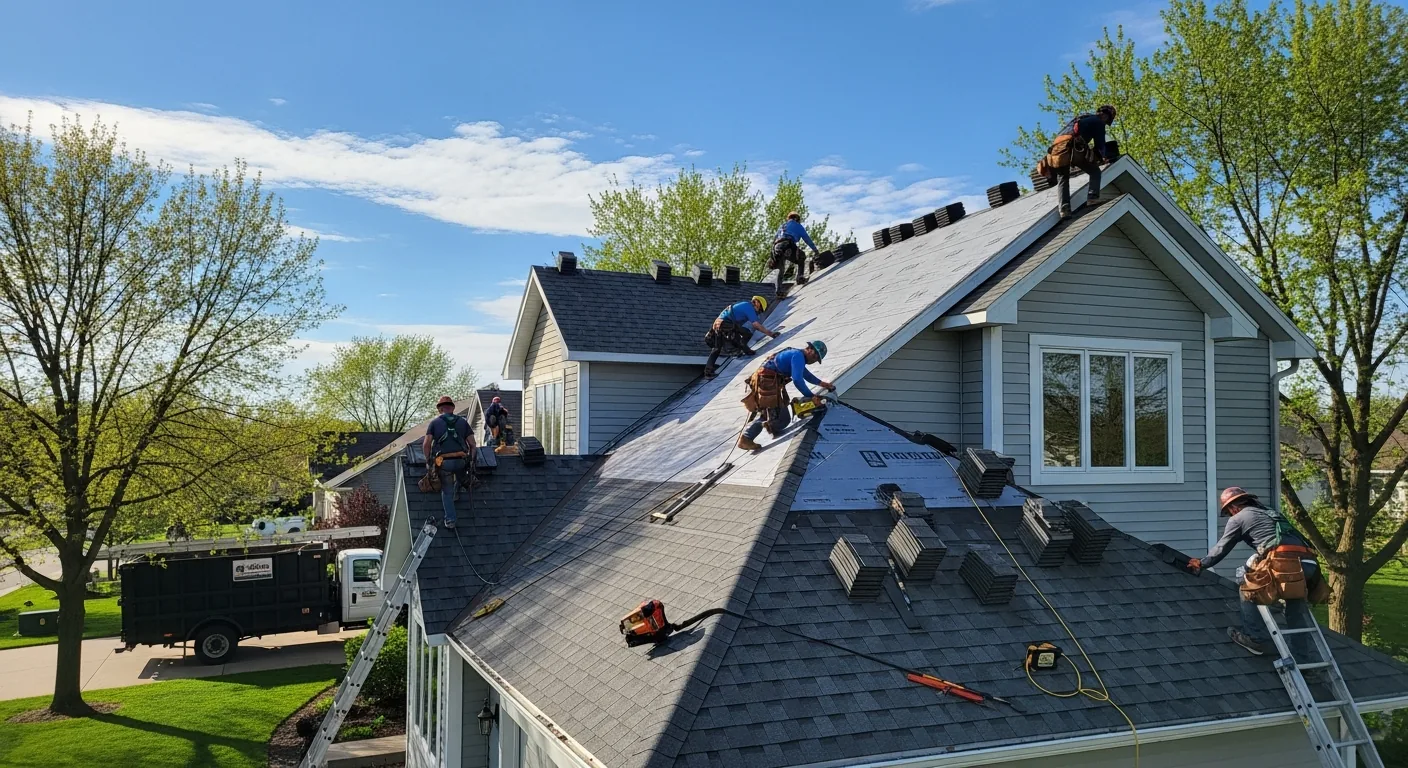
If your roof is nearing the end of its life, one of the first questions you will ask is when to schedule the replacement. In a milder climate, the answer might not matter much. In North Dakota, where the weather dictates so much of what is possible on a roof, timing has a real impact on installation quality, contractor availability, pricing, and how long you wait for the job. This guide breaks down each season for Williston-area homeowners so you can plan a roof replacement that goes smoothly and lasts.
Why Timing Matters for Roofing in North Dakota
Asphalt shingles, the most common roofing material in our region, depend on temperature to perform during installation. Shingles have adhesive sealant strips that bond in the sun's warmth to lock the roof down against wind. In extreme cold, those strips do not activate properly, and shingles become brittle and prone to cracking when handled or nailed. Temperature also affects the crew's safety and efficiency, the behavior of underlayment and sealants, and how quickly a job can be completed before the next weather system rolls in. Understanding how each season interacts with these factors helps you choose the right window—and set realistic expectations.
Spring: A Smart Start After Winter Damage
Spring is one of the most practical times to replace a roof in North Dakota. After months of snow load, ice dams, and freeze-thaw cycling, spring is when winter damage becomes visible and homeowners discover their roof needs to be replaced. Tackling the project early in the season means you fix problems before spring rains and summer hail can exploit them.
The main consideration in spring is variability. Early spring can still bring snow and cold snaps, so installations need to be scheduled around stable stretches of weather. Late spring, once temperatures consistently rise above freezing, offers excellent installation conditions and gives you a protected roof well ahead of hail season. Spring is also the ideal time to act on anything you found while following our spring roof checklist.
Summer: Peak Conditions, Peak Demand
Summer offers the most reliable installation weather of the year. Warm temperatures allow shingle sealant strips to bond quickly and fully, producing the strongest possible wind resistance. Long daylight hours let crews complete jobs efficiently, and dry stretches reduce the risk of a roof being left exposed.
The trade-off is demand. Summer is the busiest season for roofing contractors in western North Dakota, especially in the weeks following hail events when insurance restoration work surges. Reputable local crews book up fast, so lead times stretch out. Extreme summer heat can also slow work during the hottest part of the day, both for crew safety and because some shingles become soft and easily scuffed in high heat. If you want a summer installation, plan early and get on a quality contractor's schedule before the rush. Our guide to choosing a roofing contractor can help you line up the right team in advance.
Fall: Often the Ideal Window
For many North Dakota homeowners, fall is the sweet spot. Temperatures are moderate—warm enough for proper shingle sealing but cool enough for comfortable, efficient crew work. Just as importantly, fall is your last reliable chance to get a roof buttoned up before winter arrives. A roof replaced in autumn is fully sealed and ready to face the first blizzard.
There is a catch: fall is a hard deadline. As the season progresses, the window narrows, and an early cold snap can shut down installations. Demand is also high as homeowners rush to beat winter, so scheduling early in the fall is wise. If your roof shows signs you need a replacement heading into autumn, do not wait until the last warm week—book the work while conditions are still firmly on your side.
Winter: Possible, But With Limitations
Roofing in a North Dakota winter is challenging and is generally reserved for emergencies rather than planned replacements. In sub-freezing temperatures, asphalt shingles become brittle and their sealant strips will not bond until warmer weather returns, which leaves the roof vulnerable to wind until spring. Snow and ice make work surfaces dangerous and slow, and short daylight hours limit how much can be accomplished.
That said, when a roof fails catastrophically in winter—from a fallen tree, severe wind damage, or a major leak—waiting is not an option. In those cases, our emergency roof repair team performs structural tarping and temporary waterproofing to protect your home, then schedules the permanent replacement for the next suitable weather window. If you are facing winter damage, our emergency roof repair guide explains what to do.
How Timing Affects Pricing and Scheduling
Roofing demand is seasonal, and demand influences both price and how long you wait. The busiest periods—summer and the weeks after major hail storms—bring the longest lead times and the least scheduling flexibility. The shoulder seasons of late spring and early-to-mid fall often offer easier scheduling and a more relaxed pace that lets crews focus on detail. If your roof is still functional and you have the luxury of planning ahead, getting on a contractor's calendar during a quieter window can mean a smoother experience. Whatever the season, building in lead time is the single best thing you can do—rushed roofing is rarely good roofing.
Don't Wait Too Long Regardless of Season
While timing your replacement around the seasons is smart, it should never become an excuse to delay a roof that is actively failing. A roof leaking now will only get worse, and the cost of water damage to decking, insulation, and interior finishes far exceeds any seasonal savings. If your roof is compromised, the best time to replace it is before the next storm. A professional roof inspection will tell you honestly whether you have time to plan around the calendar or whether you need to act now. To understand how much service life your current roof likely has left, read our guide on how long a roof lasts in North Dakota.
Frequently Asked Questions
What is the overall best month to replace a roof in North Dakota?
Late spring through early fall offers the most dependable conditions, with September and early October often being ideal—warm enough for proper shingle sealing and early enough to beat winter. The exact best month depends on the year's weather and contractor availability.
Can you replace a roof in winter in North Dakota?
It is possible for emergencies but not recommended for planned replacements. Cold temperatures prevent shingle sealant from bonding and make conditions hazardous. Most winter work involves emergency tarping followed by a permanent replacement once the weather improves.
Is it cheaper to replace a roof in the off-season?
Scheduling during quieter shoulder periods can mean shorter lead times and more flexibility, but you should never delay a failing roof to chase a deal. The cost of water damage from waiting almost always outweighs any seasonal savings.
How far in advance should I schedule a roof replacement?
Book as early as you can, especially for summer and post-storm periods when reputable contractors fill up fast. Planning several weeks ahead gives you access to the best crews and the most favorable weather window.
Plan Your Roof Replacement With Confidence
The best time to replace your roof in North Dakota is during the warm, stable stretch from late spring through early fall—with fall often offering the ideal balance of conditions and timing before winter. But the most important factor is the condition of your current roof: if it is failing, do not let the calendar talk you into waiting. B&C Northern Construction helps homeowners across western North Dakota plan replacements around the weather, the budget, and the realities of our climate. Contact us for a free roof inspection and a straightforward recommendation on the right time to get your project done.
Related Services
Learn more about the professional services discussed in this article.
Frequently Asked Questions
Q. When is the best time of year to replace a roof in North Dakota?
Late spring through early fall is ideal, when mild, dry weather lets shingles seal properly and crews work safely. That said, we replace roofs year-round and can handle urgent winter replacements when storm damage can't wait.
Q. Can a roof be replaced in winter here?
Yes, with the right techniques. Shingles need warmth to seal, so winter installs require hand-sealing and careful timing, but emergency replacements are absolutely possible. We won't leave a damaged roof exposed through the cold months.
Q. How far in advance should I schedule a roof replacement?
Booking a few weeks ahead is wise, especially heading into the busy summer season and after major storms when demand spikes. Scheduling early gives you the best choice of dates and materials.