
Attic Ventilation and Ice Dam Prevention in North Dakota
Ice dams are a roofing problem, not a gutter problem. Here is how proper attic ventilation protects your North Dakota roof through the winter.
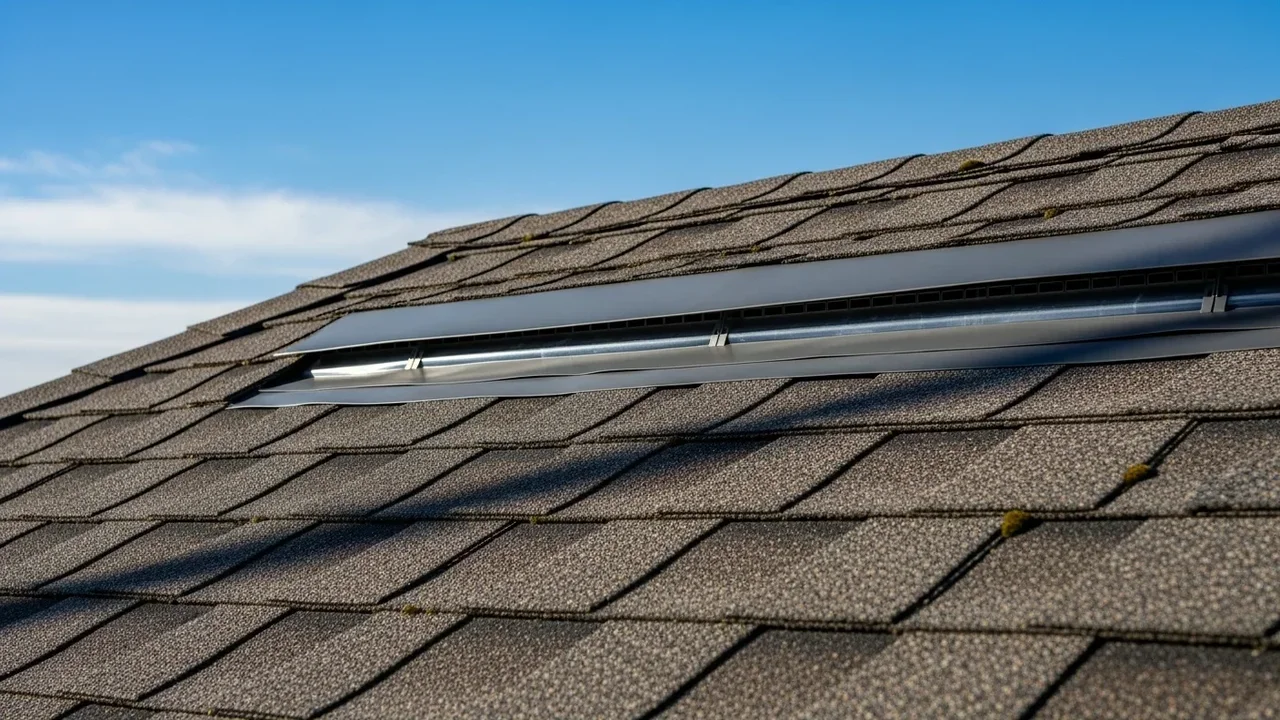
Every winter in western North Dakota, homeowners watch icicles grow along their eaves and assume it is just part of the season. In reality, those icicles are often the first visible warning of an ice dam—and ice dams are one of the leading causes of preventable roof damage in our region. The surprising part is that the root cause is rarely the roof surface itself. It is your attic ventilation. If you want a roof that survives decades of North Dakota winters, understanding how attic airflow protects your roofing system is one of the most valuable things you can learn as a homeowner.
Why Ice Dams Are a Roofing Problem
An ice dam forms when warm air escapes your living space into the attic and heats the underside of the roof deck. That heat melts the layer of snow sitting directly on the roof, even when outdoor temperatures are well below freezing. The meltwater runs down the slope until it reaches the cold overhang at the eaves—the part of the roof that hangs beyond the heated walls of the house—where it refreezes into a growing ridge of ice. As the dam builds, it traps more meltwater behind it. That standing water works its way under the shingles, through the underlayment, and into the roof decking, attic insulation, and eventually the interior walls and ceilings.
The damage from ice dams is almost always a roofing repair, not a simple gutter cleanup. Water that backs up under shingles rots the decking, ruins insulation, stains drywall, and creates the damp conditions that lead to mold. Because the leak originates at the roof edge rather than a single penetration, homeowners often misdiagnose it as a flashing failure or assume the shingles have simply worn out. The real culprit is heat and moisture moving through an attic that cannot breathe.
How Balanced Attic Ventilation Stops Ice Dams
The permanent solution to ice dams is keeping the roof deck cold and uniform in temperature so snow melts evenly from sun and warmer air rather than from heat escaping the house. That requires balanced attic ventilation—a continuous flow of cold outside air entering low at the eaves and exiting high at the ridge.
Intake at the Eaves
Cold air enters the attic through vented panels at the underside of the roof overhang. These intake vents draw outside air into the lowest part of the attic, where it begins flowing upward. In North Dakota, adequate intake area is critical, because without enough low intake, the exhaust vents at the peak cannot pull a steady current of air through the attic.
Exhaust at the Ridge
Warm, moist air rises and escapes through continuous ridge vents or other exhaust vents at the highest point of the roof. As this air leaves, it pulls fresh cold air in through the eave intakes, creating a constant convective loop. A properly balanced system keeps the entire roof deck close to outdoor temperature, which is exactly what prevents the melt-refreeze cycle that builds ice dams.
The key word is balanced. Building codes generally call for roughly equal amounts of intake and exhaust ventilation, sized to the square footage of the attic floor. Too little intake, blocked vents, or insulation stuffed into the eaves will choke the airflow and recreate the warm-roof conditions that cause ice dams—even on a brand-new roof. This is why B&C Northern Construction evaluates and corrects ventilation as part of every roof replacement and major roof repair we perform.
Insulation Works Hand in Hand with Ventilation
Ventilation removes heat that reaches the attic, but insulation keeps that heat from getting there in the first place. The two systems work together. If your attic insulation is compressed, thin, or unevenly distributed, warm household air leaks upward and overwhelms even a well-ventilated attic. In North Dakota, we recommend attic insulation levels of R-49 or higher, with special attention to air-sealing the gaps around recessed lights, plumbing stacks, attic hatches, and ceiling penetrations where warm air rushes through. When we upgrade a roof, the open attic is the ideal moment to bring insulation up to standard and seal these leaks while everything is accessible.
The Role of Soffit and Eave Components
The vented panels under your eaves are the intake half of the ventilation system, which is why keeping them clear matters for the health of your roof. During winter, ice can form inside vent openings and crush the thin perforated metal, permanently blocking airflow even after the ice melts. Insulation pushed too far toward the eaves during a careless attic job can also seal off the intake path. Either problem disrupts the airflow your roof depends on and quietly sets the stage for ice dams the following winter.
When the boards and panels along the eave deteriorate, they also expose the ends of your roof rafters to moisture. Unprotected rafter ends absorb water that freezes and expands through dozens of freeze-thaw cycles each winter, splitting the wood and opening paths for water to reach the roof decking. B&C Northern Construction addresses these eave components as part of a complete roofing system rather than as a separate service, because the overhang, the ventilation path, and the roof surface all have to work together to keep water out of your home.
Warning Signs Your Roof Has a Ventilation Problem
Because the underlying cause is hidden in the attic, ventilation problems usually announce themselves through symptoms at the roof edge and inside the home. Watch for these signs as winter progresses.
**Large icicles and ice ridges at the eaves.** Heavy icicle formation along the roof edge is the classic sign that heat is escaping into the attic and melting snow unevenly. A small amount of icicle formation can be normal, but thick, recurring ridges of ice signal a ventilation or insulation deficiency.
**Water stains on interior walls or ceilings near the roofline.** Staining that appears during or after a cold snap—rather than during a rainstorm—strongly suggests ice dam leakage rather than a conventional roof leak.
**A warm or stuffy attic in winter.** If your attic feels noticeably warmer than the outdoor air or smells damp, heat and moisture are accumulating because the air cannot escape.
**Frost or moisture on the underside of the roof deck.** When you inspect the attic on a cold day and find frost crystals or dampness on the sheathing, warm interior air is condensing against the cold roof—a direct result of inadequate ventilation.
**Mold or musty odors in the attic.** Trapped moisture from poor airflow creates the humidity that mold needs to grow on rafters, sheathing, and insulation.
If you notice any of these signs, follow our winter roof maintenance guide for immediate steps, and schedule a professional look before the next thaw.
How a Professional Roof Inspection Diagnoses Ventilation
You can spot many of these symptoms yourself, but pinpointing the cause requires getting into the attic and onto the roof. During a professional roof inspection, B&C Northern Construction measures your existing intake and exhaust ventilation against the attic square footage, checks for blocked or crushed vents, evaluates insulation depth and air-sealing, and looks for the telltale staining and decking damage that ice dams leave behind. We then provide a written report with a prioritized plan—whether that means clearing and adding intake vents, installing continuous ridge exhaust, correcting insulation, or addressing decking that has already been damaged. For homes where ice dams are a chronic, severe problem, we will also discuss whether a metal roofing system makes sense, since its smooth surface sheds snow before the melt-refreeze cycle can begin.
Frequently Asked Questions
Are ice dams covered by homeowners insurance in North Dakota?
Many North Dakota policies cover the resulting interior water damage from an ice dam, though the underlying ventilation correction is typically considered maintenance. If an ice dam has caused interior damage, document it thoroughly and review your policy—our guide to filing a roof insurance claim walks through the process.
Will adding more attic insulation alone stop ice dams?
Not on its own. Insulation reduces the heat reaching the attic, but without balanced ventilation to carry away the heat that still escapes, the roof deck can stay warm enough to keep forming ice dams. The two work together, which is why we evaluate both during an inspection.
Can ventilation be improved without replacing the whole roof?
Often, yes. Adding or clearing intake vents and installing ridge exhaust can frequently be done as a targeted roof repair. When a roof is already near the end of its life, however, correcting ventilation during a full roof replacement is the most cost-effective approach.
How do I know if my attic has enough ventilation?
The clearest indicators are the warning signs above—recurring ice dams, a warm attic, or frost on the sheathing. A professional inspection will measure your actual intake and exhaust area against code requirements and tell you exactly where you stand.
Protect Your Roof This Winter
Ice dams are not an inevitable part of North Dakota winters—they are a symptom of a roofing system that cannot breathe. With balanced attic ventilation, proper insulation, and clear eave intakes, you can keep your roof deck cold, your attic dry, and water where it belongs. Make sure to follow our spring roof checklist each year to catch ventilation problems early, and watch for the signs you may need a new roof if damage has already set in. Contact B&C Northern Construction to schedule a roof inspection and find out whether your attic ventilation is protecting your home—or quietly damaging it.
Related Services
Learn more about the professional services discussed in this article.
Frequently Asked Questions
Q. How does attic ventilation prevent ice dams?
Balanced intake-and-exhaust ventilation keeps the roof deck cold so snow doesn't melt unevenly and refreeze at the eaves. Combined with good attic insulation and air sealing, it stops the heat buildup that causes ice dams in the first place.
Q. What are signs my attic isn't ventilated properly?
Watch for ice dams and large icicles in winter, a hot stuffy attic in summer, moisture or frost on the underside of the roof deck, and higher energy bills. Any of these suggest your intake or exhaust ventilation needs attention.
Q. How much attic ventilation do I need?
A common guideline is roughly one square foot of net free vent area per 300 square feet of attic floor, split evenly between intake at the soffits and exhaust near the ridge. We assess your specific roof to size and balance it correctly.